WHO WILL WIN?
Okapi
CHUFF-BLEAT
Capybara
CLICK-PURR
THE SETUP

Okapi vs Capybara
Okapi
Okapi
Capybara
Capybara

Pretend a okapi and a capybara meet in forest. Look at the facts. Then you pick.

Would they meet?

Almost never. Their homes sit next to each other.

This is pretend and based on facts. Real animals usually hide or leave.

Read the facts. Make your card. The page waits to pick.

Corner A

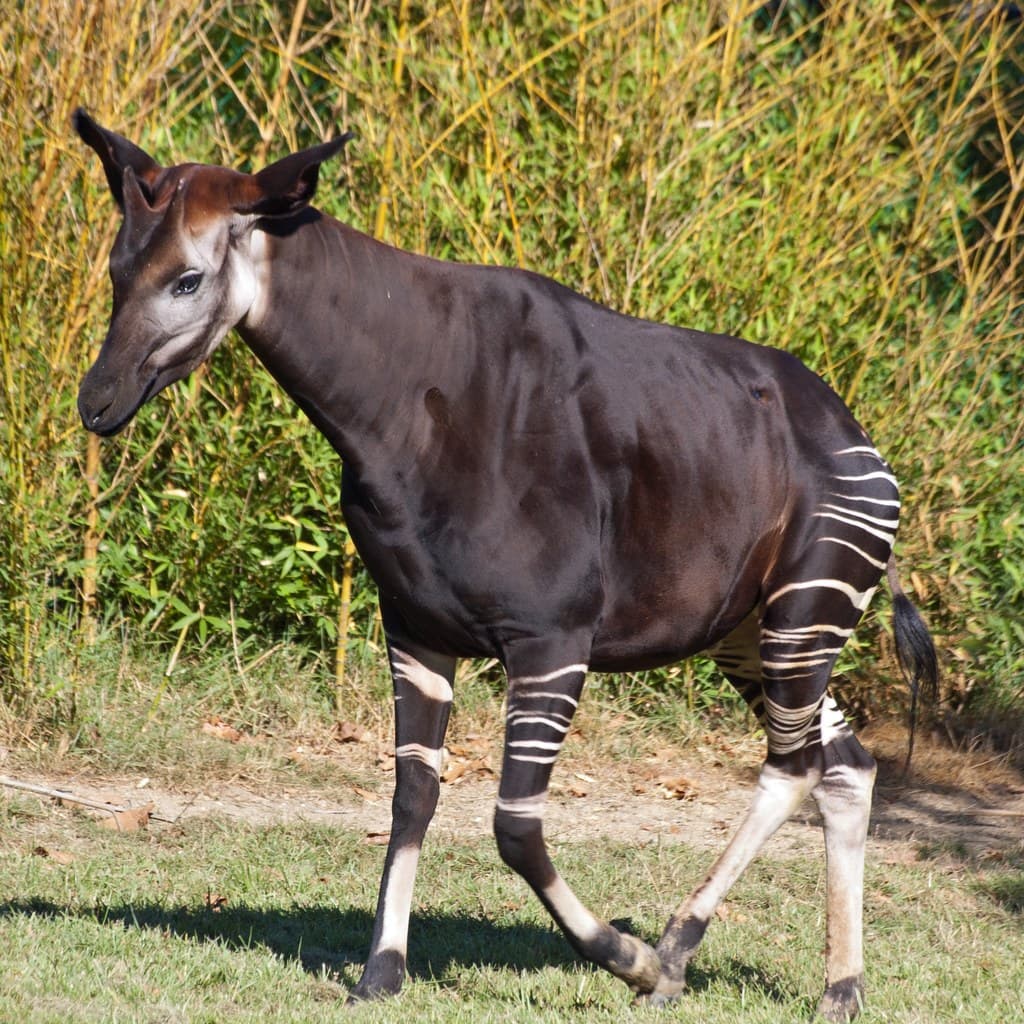
Okapi

Okapia johnstoni · A forest giraffe in zebra socks.

Okapi
Home
Congo rainforest · Lives in Africa
Food
Plants
Group
Lives alone
Size
Okapi is big.

Forest browser.

Huge ears.

Ghost of the rainforest.

  • Okapi is big and fast.
  • Leaves, fruit, and fungi.
  • Deep rainforest.

Family: Giraffes.

Corner B

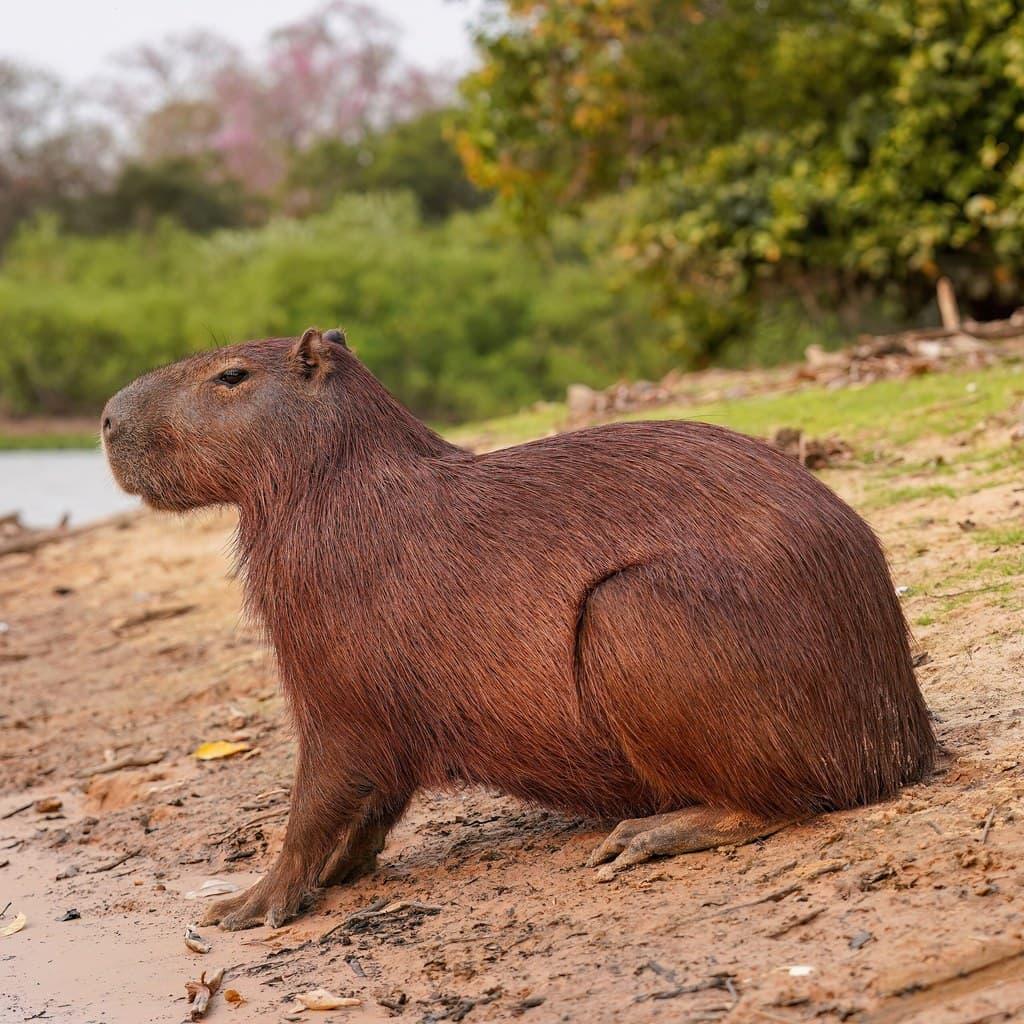
Capybara

Hydrochoerus hydrochaeris · The world's chillest giant rodent.

Capybara
Home
South American wetlands · Lives in South America
Food
Plants
Group
Lives in a herd
Size
Capybara is medium.

Grazer that swims like a sofa with a motor.

Eyes and nose just above the water.

Chill social potato.

  • Capybara is medium and not very fast.
  • Grasses and water plants.
  • Riverbanks where the whole friend group can soak and snack.

Family: Guinea pigs.

TO SCALE!

SIZE & WEIGHT

Stand them next to a grown-up. Who is bigger and heavier?

1.70 m

Grown-up

1.60 m

Okapi to scale

Okapi

0.60 m

Capybara to scale

Capybara

Height to scale. A grown-up is 1.7 m.

Okapi250 kg

About as heavy as a pony, dressed like a secret.

Capybara50 kg

About as heavy as a fifth-grader, shaped like a friendly ottoman.

Okapi

1.60 m · 250 kg

Okapi is big. 250 kg.

Capybara

0.60 m · 50 kg

Capybara is medium. 50 kg.

Kilograms are honest. A small animal can still have a strong tool.

Who would you pick for size?

TOOLKIT!

TOOLS

Teeth, claws, horns, venom, kick — what tools do they have?

  • Weapon: Kick plus ossicone bump
  • Armor: Stripe socks
  • Senses: Huge ears.

Okapi · labeled field diagram

  • Weapon: Chisel teeth
  • Armor: Pond camouflage
  • Senses: Eyes and nose just above the water.

Capybara · labeled field diagram

Okapi30 psi bite
Capybara200 psi bite

Okapi

Kick plus ossicone bump

Tool: kick plus ossicone bump. Bite: 30 psi.

Capybara

Chisel teeth

Tool: chisel teeth. Bite: 200 psi.

A bite number is only one tool. Coils and kicks count too.

Whose tools would you trust?

ZOOM!

SPEED

Who gets there first?

Okapi
50 km/h
Capybara
35 km/h
Okapi50 km/h
Capybara35 km/h

Okapi

50 km/h

Okapi can go 50 km/h. That is fast.

Capybara

35 km/h

Capybara can go 35 km/h. That is not very fast.

A fast animal can miss. A slow one only has to connect.

Who takes the speed card?

HOME MAP!

HOME

They meet in forest. Who is built for this place?

N. AmericaS. AmericaEuropeAfricaAsiaAustraliaAntarctica
OkapiCapybaraBoth

Meeting biome: forest. Colored land is where each animal actually lives.

Okapi

This is home · Lives in Africa

Okapi lives in places like forest.

Capybara

Can handle it · Lives in South America

Capybara's home is the south american wetlands, not forest.

Almost never. Their homes sit next to each other.

Who gets the home point?

MENU!

FOOD

How do they get lunch?

Okapi
Plants · Forest browser.
Capybara
Plants · Grazer that swims like a sofa with a motor.

Okapi

Plants · Forest browser.

Leaves, fruit, and fungi.

Capybara

Plants · Grazer that swims like a sofa with a motor.

Grasses and water plants.

A plant eater is not 'safe.' Hippos and elephants still end arguments.

Whose hunting or defending helps more?

MOOD!

MOOD

Alone vs team. This rumble is one vs one.

Okapi
Lives alone
Capybara
Lives in a herd
Okapi5 grit /10
Capybara4 grit /10

Okapi

Lives alone

Ghost of the rainforest. Grit: 5/10.

Capybara

Lives in a herd

Chill social potato. Grit: 4/10.

Pack and pride animals lose their backup in a 1-v-1.

Who is better for a solo meeting?

PING!

BRAINS

Who notices first and thinks next?

Okapi
5/10
Capybara
5/10
Okapi5 brains /10
Capybara5 brains /10

Okapi

5/10

Huge ears.

Capybara

5/10

Eyes and nose just above the water.

In the wild, brains often mean leave before it starts.

Who would you score for noticing?

COUSINS!

FAMILY

Who are they related to?

Okapi
Okapia johnstoni
Capybara
Hydrochoerus hydrochaeris

Okapi

Okapia johnstoni

Giraffes.

Capybara

Hydrochoerus hydrochaeris

Guinea pigs.

Cousins are clues, not a score.

Not a fight point. Who has the wilder family story?

WILD CARD!

SPECIAL

What special move did they evolve?

Okapi
Ghost of the Ituri
Capybara
Splash Sit-In

Okapi

Ghost of the Ituri

They are so shy scientists photographed them in the wild only recently.

Capybara

Splash Sit-In

When trouble shows, they take the water.

A secret move here is a real wild tool, not a video-game combo.

Whose special move would change the meeting?

YOUR SCORECARD

Your scorecard

Tap who has each fact. Then tap who you think wins.

  • SIZE & WEIGHT

  • TOOLS

  • SPEED

  • HOME

  • FOOD

  • MOOD

  • BRAINS

  • SPECIAL

Your card: Okapi 0 · Capybara 0 · still open 8

Who wins the meeting?

Keep going for the pretend meeting, then the science pick.

WHAM!

THEY MEET

Okapi runs first. Capybara does not race. They wait in forest.

Pretend · fact-based · not a gore-fest

WHOOSH!

THE TOOLS SHOW UP

Okapi is heavier. Capybara uses chisel teeth. Nobody is keeping a gore score.

Pretend · fact-based · not a gore-fest

ZING!

SPECIAL MOVES

Okapi tries the Ghost of the Ituri. Capybara tries the Splash Sit-In. Keep your card. The last page is next.

Pretend · fact-based · not a gore-fest

THE SCIENCE PICK

Okapi!

A STOMP

You skipped a final pick. The facts still stamp a champ.

On forest, Okapi wins. Okapi likes forest more. Capybara would still win some meetings at home.

In the wild, most animals skip a fight. We still judge who the bodies and the place would favor.

Science card: Okapi 7 · Capybara 0 · ties 1.

Your card: Okapi 0 · Capybara 0.

The last page follows the whole animal — body plus home — not one bar chart.

Send this fight

A friend can read the same facts.

Also starring · Capybara

Victory yawn. Peak capybara. Nothing bothers this animal.

Nesnad · Wikimedia Commons · CC BY-SA 3.0. Source

1/17 · scroll